
As the seasons change in Fishkill, NY, your home's security needs evolve too. The harsh winter cold, humid summer air, and fluctuating temperatures of spring and fall can all take a toll on your locks, doors, and security systems. Regular seasonal maintenance isn't just about keeping your locks working smoothly—it's about protecting your family, preventing costly emergency lockouts, and extending the life of your security hardware. Whether you're dealing with frozen locks in January or dealing with humidity-related issues in July, understanding how to maintain your locks throughout the year can save you time, money, and stress.
Why Seasonal Lock Maintenance Matters
Many homeowners in Fishkill don't think about their locks until something goes wrong. However, locks and security hardware are exposed to the elements year-round and require regular attention to function optimally. Temperature fluctuations, moisture, dirt, and general wear and tear can compromise your home's security and lead to inconvenient lockouts.
Neglecting seasonal maintenance can result in:
- Frozen locks during winter months
- Corroded hardware from humidity and rain
- Misaligned doors due to temperature-related expansion and contraction
- Worn keys that break off in locks
- Compromised security from weakened mechanisms
- Expensive emergency locksmith calls that could have been prevented
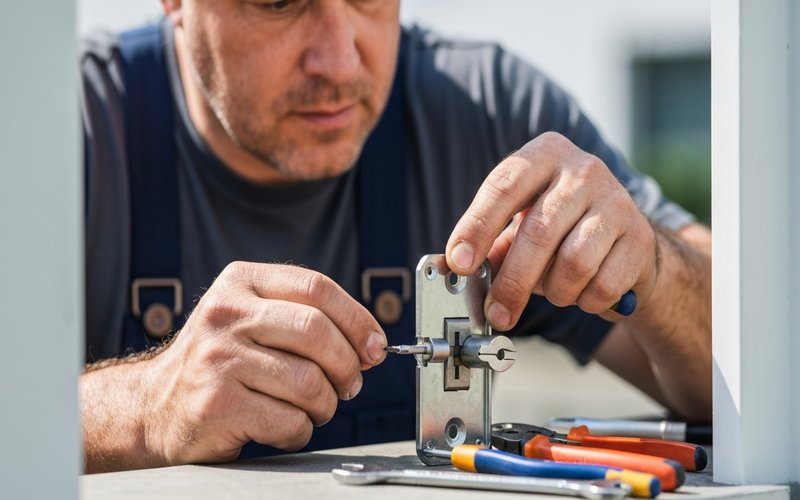
Spring Lock Maintenance: Fresh Start for Your Security
Spring is the perfect time to assess the damage winter may have caused to your locks and security systems. The freeze-thaw cycles can affect door alignment, and moisture from melting snow can lead to rust and corrosion.
Inspect All Entry Points
Walk around your entire property and check every door and window lock. Look for signs of rust, corrosion, or damage that may have occurred during winter. Pay special attention to:
- Front and back door locks
- Garage door mechanisms
- Sliding glass door locks
- Window locks and latches
- Gate locks and outdoor padlocks
- Basement and cellar door locks
Clean and Lubricate Locks
Spring cleaning should include your locks. Use a dry lubricant specifically designed for locks—never use WD-40 or oil-based products, as these attract dirt and can gum up the mechanism over time.
Steps for proper lock cleaning:
1. Use compressed air to blow out dust and debris from the keyway 2. Apply a graphite-based or Teflon-based dry lubricant 3. Insert and remove your key several times to distribute the lubricant 4. Wipe away excess with a clean cloth 5. Test the lock to ensure smooth operation
Check Door Alignment
Winter's freezing and thawing can cause door frames to shift. If your door is sticking, not closing properly, or the deadbolt is difficult to engage, the door may be misaligned. This not only makes entry difficult but can also compromise your security. Look for gaps around the door frame, and test whether the door closes smoothly without force.
Rekey After Winter Visitors
If you had houseguests over the holidays or contractors working on your home during winter, spring is an excellent time to rekey your locks for fresh security. This ensures that only current occupants have access to your home.
Summer Security Maintenance: Beat the Heat and Humidity
Fishkill summers bring heat and humidity that can affect your locks and security hardware differently than winter weather. Moisture in the air can lead to rust, while heat can cause doors to expand, affecting lock alignment.
Combat Humidity-Related Corrosion
Humidity is a lock's enemy, especially for exterior locks. Moisture can cause internal components to rust and corrode, leading to stuck or broken locks.
Protective measures:
- Apply a silicone-based spray to exterior locks monthly
- Check for early signs of rust (orange discoloration or rough texture)
- Consider upgrading to weather-resistant locks for exposed areas
- Ensure door overhangs provide adequate protection from rain
- Install weather stripping to keep moisture away from door hardware
Address Door Expansion Issues
Wooden doors expand in summer heat and humidity, which can cause locks to bind or deadbolts to become difficult to engage. If you notice your locks are harder to operate in summer:
- Check if the door is rubbing against the frame
- Ensure the strike plate is properly aligned
- Consider adjusting the hinges to improve alignment
- Monitor the situation—if it worsens, call a professional
Secure Your Home for Vacation
Summer is vacation season, making your home a potential target for burglars. Before you leave:
- Test all locks to ensure they're functioning properly
- Install or check smart locks that allow remote monitoring
- Ensure all windows have functioning locks
- Consider rekeying if you've recently had service workers in your home
- Have a trusted neighbor check on your property
- Use timers for lights to create the appearance of occupancy
Maintain Outdoor Locks and Gates
Outdoor entertainment areas, pool gates, and shed locks get heavy use in summer. Check these frequently for signs of wear:
- Oil gate hinges to prevent squeaking and binding
- Replace any rusted padlocks
- Ensure pool area locks comply with local safety codes
- Check fence gate latches for proper function
- Upgrade to keyless options for convenience
Fall Lock Preparation: Getting Ready for Winter
Fall is your opportunity to prepare your locks and security systems for the harsh Fishkill winter ahead. Taking preventive measures now can save you from frozen locks and emergency lockouts when temperatures drop.
Weatherproof Exterior Locks
Before the first freeze, take steps to protect your outdoor locks:
- Apply lock de-icer lubricant to all exterior locks
- Install lock covers for extra protection
- Check and replace worn weather stripping around doors
- Ensure door sweeps are in good condition
- Test all locks to ensure smooth operation before cold weather arrives
Inspect and Replace Worn Hardware
Fall is the ideal time to replace any locks or hardware that showed signs of wear during the year. Don't wait until a lock fails completely—proactive replacement prevents emergency situations.
Signs you need lock replacement:
- Key requires excessive force to turn
- Lock cylinder is loose or wobbly
- Visible rust or corrosion
- Key is worn or bent
- Lock has been repaired multiple times
- Hardware is more than 10 years old
Test Your Security System
As days get shorter, ensure your security lighting and systems are functioning properly:
- Replace batteries in electronic locks and keypads
- Test motion-sensor lights
- Update codes on smart locks
- Check that all sensors and alarms are working
- Ensure backup power systems are functional
Create a Winter Emergency Kit
Assemble a lock emergency kit to keep in your car and home:
- Lock de-icer spray
- Spare keys (never leave these in obvious places)
- Flashlight with fresh batteries
- Contact information for Fishkill Secure Locksmith
- Hand warmers (useful for thawing frozen locks)
Winter Lock Care: Protecting Against the Cold
Winter in Fishkill can be brutal on locks. Freezing temperatures, ice, and snow create unique challenges for homeowners. Proper winter maintenance prevents the frustration of frozen locks and ensures you can access your home safely.
Prevent and Treat Frozen Locks
Frozen locks are one of the most common winter locksmith emergencies. Prevention is key:
- Never use water to clean locks in freezing weather
- Apply lock de-icer before cold snaps
- Keep a de-icer spray in your car and purse
- Cover exterior locks with magnetic covers during storms
- Consider heated smart locks for frequently used exterior doors
1. Never force the key—you could break it off in the lock 2. Apply lock de-icer and wait a few minutes 3. Warm your key with your hands or a lighter (carefully) 4. Gently work the key in and out as the ice melts 5. If unsuccessful, call a professional locksmith rather than risk damage
Maintain Door Seals and Weather Stripping
Proper sealing prevents moisture from reaching your locks:
- Check weather stripping monthly
- Replace any cracked or worn strips immediately
- Ensure door sweeps make full contact with the threshold
- Seal any gaps that allow wind and moisture through
- Apply silicone caulk around door frames if needed
Address Cold-Related Door Shrinkage
Just as doors expand in summer, they contract in winter. This can create gaps in your door frame, compromising both security and energy efficiency:
- Check that locks still engage fully with strike plates
- Adjust hinges if needed to maintain proper alignment
- Monitor for drafts that indicate poor sealing
- Ensure deadbolts extend completely into the strike plate
Keep Spare Keys Accessible (But Secure)
Winter lockouts are more than inconvenient—they can be dangerous in extreme cold. However, hiding keys in obvious outdoor locations compromises your security:
- Give a spare key to a trusted neighbor
- Install a secure lockbox in a discreet location
- Consider a keyless entry system as backup
- Never hide keys under mats, planters, or fake rocks
- Keep a spare in your wallet (not labeled with your address)
Year-Round Lock Maintenance Best Practices
Beyond seasonal care, certain maintenance tasks should be performed regularly throughout the year to keep your locks in optimal condition.
Monthly Lock Care Routine
Develop a quick monthly habit:
- Test all locks to ensure smooth operation
- Check for any unusual sounds or resistance
- Wipe down hardware with a clean, dry cloth
- Inspect keys for signs of wear or bending
- Test smart lock batteries and connectivity
Quarterly Deep Maintenance
Every three months, perform more thorough maintenance:
- Clean lock cylinders with compressed air
- Apply appropriate lubricant to all locks
- Check strike plates and tighten any loose screws
- Test deadbolts for proper extension
- Inspect door hinges and tighten if needed
- Update smart lock software and codes
Annual Professional Inspection
Even with diligent DIY maintenance, an annual professional inspection provides peace of mind:
- Professional locksmiths identify issues you might miss
- Expert assessment of your overall security
- Recommendations for upgrades or improvements
- Adjustment of commercial-grade locks requiring specialized tools
- Documentation of your security system's condition
How Much Should Lock Maintenance Cost?
Many homeowners wonder about the cost of professional locksmith services. While prices vary based on the specific service, here's what you can generally expect in the Fishkill area:
Typical locksmith hourly rates: $75-$150 per hour, depending on the complexity of work and time of day. Emergency services (nights, weekends, holidays) typically cost more—sometimes 1.5 to 2 times the standard rate.
Common services:
- Lock rekeying: $20-$50 per lock
- Lock replacement: $100-$250 per lock (including hardware)
- Lock repair: $50-$150 depending on the issue
- Key duplication: $2-$10 per key
- Lock lubrication and maintenance: $50-$100 for whole-house service
How Do You Know You Can Trust a Locksmith?
Trust is crucial when hiring someone to work on your home's security. Here's how to ensure you're working with a reputable professional:
Essential Qualities of a Reputable Fishkill Locksmith
Proper licensing and insurance: Legitimate locksmiths carry proper business licenses and liability insurance. Don't hesitate to ask for proof.
Physical business location: Trustworthy locksmiths have an actual business address, not just a P.O. box or cell phone number. Fishkill Secure Locksmith operates from 720-728 US-9, Fishkill, NY 12524.
Professional identification: Reputable locksmiths arrive in marked vehicles and carry identification. They should provide clear pricing before beginning work.
Transparent pricing: Honest locksmiths provide written estimates before starting work. They explain what needs to be done and why.
Positive local reputation: Check online reviews, ask neighbors for recommendations, and verify standing with the Better Business Bureau.
Red Flags to Avoid When Choosing a Locksmith
Protect yourself from scam artists:
- Unwilling to provide identification or business credentials
- Arrives in an unmarked vehicle
- Quotes extremely low prices over the phone, then dramatically increases cost on-site
- Insists on drilling or replacing locks when repair is possible
- Demands cash-only payment
- Pressures you to make immediate decisions
- Cannot provide proof of insurance
- Has no verifiable physical business address
Understanding Common Lock Issues
What is Key Bumping?
Key bumping is a lock-picking technique that uses a specially cut key and striking force to manipulate pin tumbler locks. While not all locks are vulnerable, many standard residential locks can be compromised this way. If you're concerned about bump key attacks:
- Upgrade to bump-resistant locks
- Install additional security measures like deadbolts
- Consider smart locks that don't rely on traditional keys
- Ask your locksmith about anti-bump pins during installation
Common Lock Problems and Solutions
Sticky locks: Usually caused by dirt buildup or lack of lubrication. Clean with compressed air and apply dry lubricant.
Key won't turn: May indicate misalignment, a worn key, or internal damage. Try your spare key first. If both keys fail, call a professional.
Loose doorknob or handle: Tighten the set screws on the interior side of the handle. If this doesn't solve the issue, internal components may be worn.
Deadbolt won't extend fully: Check door alignment and strike plate position. Wood door shrinkage or expansion often causes this issue.
Key breaks in lock: Never attempt to use the broken key. Call a professional to extract the broken piece without damaging the lock cylinder.
Emergency Locksmith Situations
Despite your best maintenance efforts, emergencies can still occur. Knowing what to do can minimize stress and potential damage.
When to Call an Emergency Locksmith
- Locked out of your home, car, or business
- Broken key stuck in a lock
- Lock damaged by attempted break-in
- Lost or stolen keys requiring immediate rekeying
- Lock failure preventing entry or exit
- Security breach requiring immediate attention
Will Police Unlock Your Car for Free?
While police may have assisted with car lockouts in the past, most departments no longer provide this service due to liability concerns. They may help if there's a child or pet locked inside the vehicle in dangerous conditions, but for standard lockouts, you'll need to call a professional automotive locksmith.
Upgrading Your Home Security
As you maintain your existing locks, consider whether it's time to upgrade your home security:
Smart Lock Technology
Modern smart locks offer convenience and enhanced security:
- Remote access and monitoring via smartphone