
Home security is a top priority for every homeowner in Fishkill, NY, and the locks on your doors are your first line of defense against intruders. Yet many homeowners don't realize that their security starts long before an emergency lockout situation. Understanding locksmith safety, knowing how to choose quality security solutions, and learning to identify trustworthy professionals can make all the difference in keeping your family and property safe.
Whether you're moving into a new home on US-9, upgrading your current security system, or simply want to ensure your family's safety, these comprehensive locksmith safety tips will help you make informed decisions about your home's security. From selecting the right locks to avoiding common scams, we'll cover everything you need to know to protect what matters most.
Understanding Your Home's Security Vulnerabilities
Before you can effectively secure your home, you need to understand where vulnerabilities exist. Most break-ins occur through doors and windows, with the front door being the most common entry point for burglars.
Common Entry Points for Intruders
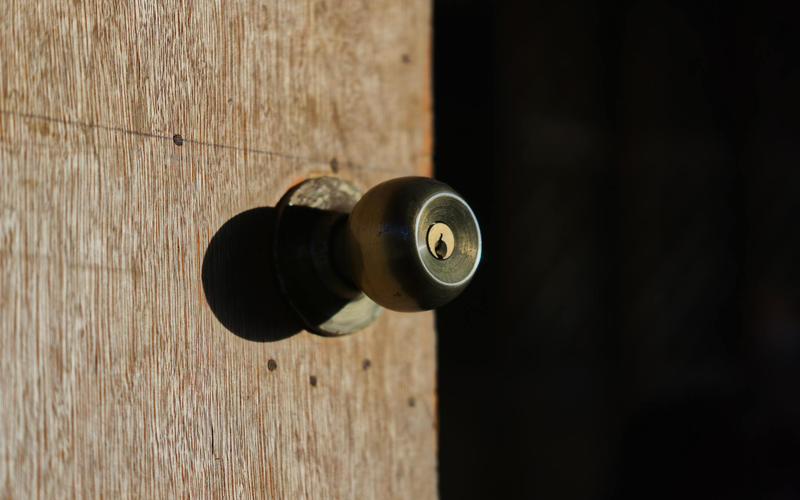
The majority of home intrusions happen through predictable access points. Your front door accounts for approximately 34% of burglaries, while back doors represent another 22%. First-floor windows are responsible for about 23% of break-ins, making ground-level access points your primary security concern.
In Fishkill and the surrounding Dutchess County area, property crime statistics show that homes without adequate security measures are significantly more likely to be targeted. Understanding these vulnerabilities allows you to prioritize your security investments effectively.
Assessing Your Current Lock Quality
Many homes, especially older properties in the Fishkill area, still use outdated lock systems that don't meet modern security standards. Grade 3 locks, the lowest security rating, can often be picked or forced open within minutes by experienced criminals.
Take time to examine your current locks. If they're loose, show signs of wear, or are builder-grade locks that came with your home, they likely need upgrading. Quality locks should feel solid, operate smoothly, and display certification marks from organizations like ANSI (American National Standards Institute).
Choosing the Right Locks for Maximum Security
Not all locks are created equal, and understanding the differences can help you make smart decisions about protecting your home.
Lock Grades and What They Mean
The ANSI grading system categorizes locks into three grades:
- Grade 1: The highest security rating, designed for commercial applications but excellent for residential use. These locks can withstand significant force and resist picking attempts.
- Grade 2: Good security for residential applications, offering solid protection at a more accessible price point.
- Grade 3: Basic security, often found in new construction. While better than nothing, these should be upgraded for optimal protection.
Deadbolt Selection and Installation
Deadbolts are essential for home security. A quality deadbolt should extend at least one inch into the door frame when locked, making it extremely difficult to force open.
Single-cylinder deadbolts work well for solid doors without nearby windows. Double-cylinder deadbolts, which require a key on both sides, provide additional security for doors with glass panels but must comply with local fire codes for emergency exit purposes.
The strike plate—the metal piece attached to the door frame—is equally important. A quality strike plate should be secured with screws at least three inches long that penetrate into the wall stud, not just the door frame.
Smart Lock Technology: Benefits and Concerns
Smart locks offer convenience and advanced features like remote access, activity logging, and temporary access codes for guests or service providers. However, they also introduce cybersecurity considerations.
When choosing smart locks for your Fishkill home, look for products with:
- Regular firmware updates from reputable manufacturers
- Strong encryption protocols
- Two-factor authentication capabilities
- Battery backup systems
- Physical key override options
How to Identify and Avoid Locksmith Scams
Unfortunately, the locksmith industry has its share of fraudulent operators who prey on people in emergency situations. Knowing how to identify legitimate professionals protects both your security and your wallet.
Red Flags of Dishonest Locksmiths
Be wary of locksmiths who display these warning signs:
- Arriving in unmarked vehicles without proper company branding
- Unable to provide a physical business address
- Quoting extremely low prices over the phone, then dramatically increasing costs upon arrival
- Insisting on drilling or replacing locks when other solutions exist
- Requesting cash-only payment
- Lacking proper licensing and insurance documentation
- Using generic names like "Locksmith" or "24-Hour Locksmith" without a specific business identity
Questions to Ask Before Hiring a Locksmith
Before committing to a locksmith service, ask these important questions:
1. What is your physical business address? 2. Are you licensed, bonded, and insured? 3. Can you provide an estimated price range for this service? 4. Will there be any additional fees (trip charges, emergency fees, etc.)? 5. What identification will your technician carry? 6. Do you offer a warranty on parts and labor?
Reputable locksmiths welcome these questions and answer them transparently. Any hesitation or evasive responses should raise concerns.
Verifying Locksmith Credentials
In New York State, locksmiths must maintain proper business licenses and liability insurance. Ask to see credentials before allowing any work to begin. A professional locksmith will have:
- Valid business license
- Proof of insurance
- Professional certifications from organizations like ALOA (Associated Locksmiths of America)
- Company identification on their vehicle and uniform
- Printed business cards with complete contact information
Essential Lock Maintenance Tips
Proper maintenance extends the life of your locks and ensures they function correctly when you need them most.
Regular Inspection Schedule
Establish a quarterly inspection routine for all locks in your home. Check for:
- Loose screws in strike plates or lock hardware
- Signs of rust or corrosion
- Difficulty turning keys or operating mechanisms
- Gaps between doors and frames
- Weatherstripping deterioration around exterior doors
Lubrication and Cleaning Best Practices
Locks require periodic lubrication to operate smoothly. Use graphite powder or silicone-based lubricants specifically designed for locks. Avoid oil-based products like WD-40, which can attract dirt and gum up internal mechanisms over time.
To properly lubricate a lock:
1. Clean the keyway with compressed air to remove debris 2. Apply a small amount of graphite powder or silicone spray 3. Insert and remove your key several times to distribute the lubricant 4. Wipe away any excess
Perform this maintenance twice yearly, typically in spring and fall, to keep locks functioning optimally through Fishkill's temperature extremes.
When to Replace Rather Than Repair
Some lock problems indicate it's time for replacement rather than repair:
- Visible damage to the lock cylinder or housing
- Keys that no longer work smoothly despite maintenance
- Locks more than 10-15 years old
- After purchasing a previously owned home
- Following a break-in or attempted break-in
- When upgrading to higher security standards
Key Control and Management
How you manage your keys significantly impacts your home's security.
The Dangers of Hiding Spare Keys
Hiding spare keys outside your home is a common practice that creates serious security vulnerabilities. Burglars know all the typical hiding spots—under doormats, above door frames, in fake rocks, and inside planters.
Instead of hiding keys, consider:
- Leaving a spare with a trusted neighbor
- Installing a high-quality keyless entry system
- Using a lockbox with a strong combination (if absolutely necessary)
- Keeping a spare key in your wallet or at your workplace
Who Has Copies of Your Keys?
Take inventory of everyone who has keys to your home. This list might include:
- Previous homeowners (if you haven't rekeyed)
- Former roommates or tenants
- Ex-partners after relationship changes
- Contractors who worked on your property
- House sitters or pet sitters
- Cleaning services or maintenance workers
High-Security Key Systems
High-security keys feature patented designs that can't be duplicated at hardware stores. These systems require authorization from the property owner before copies can be made, giving you complete control over key distribution.
While more expensive initially, high-security key systems offer:
- Patent protection preventing unauthorized duplication
- Superior pick and drill resistance
- Detailed key tracking systems
- Long-term cost savings through better durability
Securing Different Entry Points
Comprehensive home security requires attention to all potential entry points.
Front and Back Door Security
Your primary doors need the strongest security measures:
- Solid core or metal doors (minimum 1.75 inches thick)
- Grade 1 deadbolts extending at least one inch
- Reinforced strike plates with 3-inch screws
- Wide-angle peepholes or video doorbells
- Adequate exterior lighting
Sliding Door and Window Protections
Sliding glass doors present unique security challenges. Even with the latch engaged, these doors can often be lifted off their tracks.
Improve sliding door security with:
- Security bars or rods in the track
- Pin locks through the frame
- Anti-lift devices
- Security film on glass
- Motion-sensor lighting nearby
Garage Door Security Considerations
Attached garages provide direct access to your home and often contain valuable tools and equipment. Secure this entry point by:
- Keeping the door between garage and house locked with a deadbolt
- Installing a garage door lock or zip tie the emergency release
- Covering garage windows to hide valuable contents
- Using a smart garage door opener with activity alerts
- Never leaving the remote in your vehicle
When to Rekey vs. Replace Locks
Understanding when to rekey versus replace locks saves money while maintaining security.
Cost-Effective Rekeying Situations
Rekeying changes the internal pins of your existing lock so old keys no longer work. This option makes sense when:
- Moving into a previously owned home
- After losing keys
- Following a break-up or roommate departure
- When you want all locks to work with one key
- The existing locks are high quality but key control is compromised
When Full Replacement Is Necessary
Complete lock replacement becomes necessary when:
- Upgrading from low-grade to high-security locks
- Locks show visible damage or wear
- After an attempted break-in
- Converting to smart lock technology
- Existing locks are outdated or non-standard
- You want to change lock brands or styles
Master Key Systems for Homeowners
Large homes or properties with multiple access points benefit from master key systems. These allow different keys for specific doors while one master key operates all locks.
This arrangement works well for:
- Multi-generational homes with separate living spaces
- Properties with rental units
- Homes with domestic help requiring limited access
- Large estates with multiple buildings
Emergency Lockout Prevention
Being locked out is frustrating and potentially dangerous. Take preventive measures to avoid this situation.
Creating a Lockout Prevention Plan
Develop habits that reduce lockout risk:
- Establish a routine of checking for keys before closing doors
- Keep a spare key with a trusted nearby neighbor
- Consider keyless entry systems that eliminate key dependency
- Ensure all family members know how to operate all locks
- Keep your locksmith's contact information saved in your phone
What to Do During a Lockout
If you find yourself locked out:
1. Stay calm and assess the situation 2. Check all doors and windows (without breaking anything) 3. Contact a trusted neighbor with a spare key 4. Call a reputable local locksmith if necessary 5. Verify the locksmith's credentials before allowing work to proceed
Avoid the temptation to break a window or force a door, which causes more expensive damage than professional locksmith services.
Is Fishkill NY Safe?
Many prospective and current residents ask about Fishkill's safety profile. According to recent crime statistics, Fishkill maintains a lower crime rate than many similarly sized communities in New York State. The village benefits from active local law enforcement and engaged community watch programs.
However, no community is immune to property crime. Even in safe neighborhoods, maintaining proper home security remains essential. Most break-ins are crimes of opportunity—unlocked doors, visible valuables, and inadequate security systems invite trouble.
Fishkill's overall safety makes it an excellent place to live, but this doesn't negate the importance of proper lock security and home protection measures.
Understanding Lock Limitations
While quality locks provide excellent security, understanding their limitations helps you maintain realistic expectations.
What Locks Can Locksmiths Not Open?
Some high-security locks present significant challenges even for professional locksmiths:
- Abloy Protec2: Uses rotating disks instead of pins, making it extremely pick-resistant
- Medeco M3: Features angled cuts and sidebar mechanisms that resist manipulation
- Mul-T-Lock MT5+: Combines pin tumbler and slider mechanisms for advanced security
- BiLock: Uses a unique keyway requiring specialized tools
Some electronic and proprietary lock systems may require manufacturer assistance rather than traditional locksmith services.
The Balance Between Security and Accessibility
Extremely high-security locks occasionally create their own challenges.