
Whether you're a homeowner in the Fishkill area, a business owner along Route 9, or someone who frequently travels through Dutchess County, lock and key problems always seem to happen at the worst possible times. From being locked out of your car in the ShopRite parking lot to discovering a broken key in your front door lock after a long day at work, these frustrating situations are more common than you might think. The good news? Most locksmith problems have straightforward solutions when you know what to do. In this comprehensive guide, we'll walk you through the most common locksmith issues faced by Fishkill residents and provide practical solutions to help you handle these situations effectively.
Understanding the Most Common Lockout Situations
Lockouts are by far the most frequent locksmith emergency we encounter in Fishkill. Whether residential, commercial, or automotive, getting locked out can derail your entire day and create significant stress.
Home Lockouts: Prevention and Quick Solutions
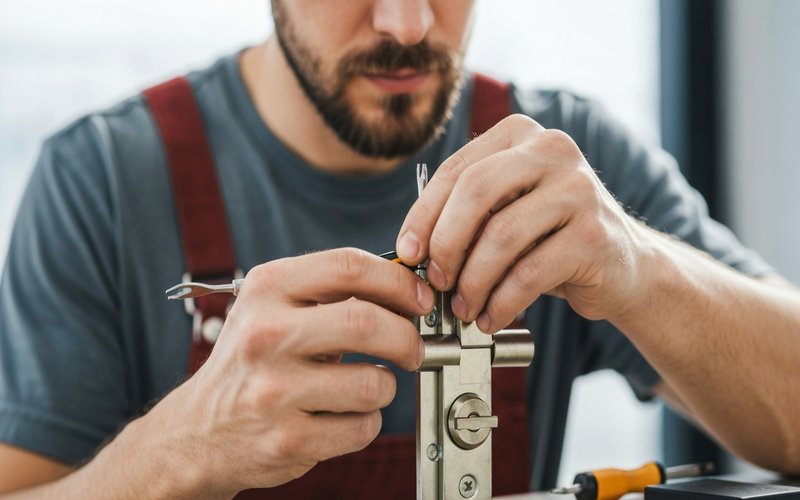
Home lockouts typically happen when you're rushing out the door, taking out the trash, or stepping outside briefly without your keys. In Fishkill's residential neighborhoods, we see these calls spike during the warmer months when people are more active outdoors.
Immediate steps to take during a home lockout:
- Check all doors and windows to see if any entry point was left unlocked (ground floor only for safety)
- Contact a trusted neighbor who might have your spare key
- Verify your identity and ownership before calling a locksmith to expedite service
- Avoid attempting to break windows or force doors, as this creates additional expense and security concerns
- Hide a spare key with a trusted neighbor rather than under a doormat or planter
- Install a smart lock system that allows keyless entry via smartphone
- Create a routine of checking for your keys before closing any door
- Consider a keypad deadbolt for secondary access without physical keys
Car Lockouts: What to Do When Keys Are Inside
Automotive lockouts are particularly stressful, especially when they occur in extreme weather or unsafe locations. Modern vehicles with advanced security systems require specialized knowledge and tools to unlock without causing damage.
If you're locked out of your vehicle:
- Check if any doors or the trunk are unlocked (sometimes not all locks engage)
- Look through the windows to confirm the keys are actually inside
- If you have roadside assistance through your insurance, check if locksmith services are covered
- Never attempt to break a window yourself—replacement costs far exceed professional locksmith services
- Call a licensed automotive locksmith who has experience with your vehicle's make and model
Business Lockouts: Minimizing Operational Disruption
For Fishkill business owners, being locked out means lost revenue, frustrated employees, and potentially missed appointments. Commercial lockouts require swift professional response to minimize business disruption.
Business owners should maintain a relationship with a trusted commercial locksmith and keep emergency contact information readily available to all key personnel.
Broken Keys: A Surprisingly Common Problem
Key breakage happens more frequently than most people realize, and it's not always due to poor key quality. Temperature fluctuations, aging locks, and excessive force can all cause keys to snap inside locks.
Why Keys Break and How to Prevent It
Keys typically break due to several factors:
- Metal fatigue from years of use, especially with keys that are five years or older
- Forcing a key that isn't inserting smoothly into the lock
- Using a key with visible wear, notching, or bending
- Attempting to turn a key when the lock mechanism is frozen or corroded
- Using duplicate keys made from worn originals, which lack precise cutting
- Replace keys showing visible wear before they break
- Never force a key that's difficult to insert or turn
- Have keys duplicated from the original whenever possible
- Lubricate locks annually with graphite powder (never WD-40, which attracts dirt)
- Address sticky locks immediately rather than applying more force
Extracting Broken Keys from Locks
If a key breaks off inside a lock, resist the urge to dig at it with household tools. Improper extraction attempts often push the broken piece deeper into the lock cylinder, making professional extraction more difficult and expensive.
If you must attempt extraction:
- Only try if a substantial portion of the key is protruding from the lock
- Use needle-nose pliers to gently pull straight out without twisting
- If the key is flush with the lock face, call a professional locksmith
- Never insert glue, adhesives, or makeshift tools into the lock
Lock Malfunction: When Locks Stop Working Properly
Locks that become difficult to operate, make grinding noises, or fail to engage properly indicate underlying issues that won't resolve on their own.
Common Lock Problems and Fixes
Sticky or stiff locks often result from dirt accumulation, lack of lubrication, or internal component wear. The Fishkill area's seasonal temperature swings can exacerbate these issues, particularly in exterior locks exposed to the elements.
Loose door locks that wiggle or don't catch properly usually indicate loose mounting screws or a misaligned strike plate. This problem progressively worsens and can eventually lead to complete lock failure.
Keys that won't turn smoothly suggest either key wear or internal lock problems. If a new key also struggles, the lock mechanism itself needs attention.
When to Repair vs. Replace a Lock
Determining whether to repair or replace a malfunctioning lock depends on several factors:
Consider repair when:
- The lock is relatively new (less than five years old)
- Only minor adjustment or cleaning is needed
- The lock is part of a matched set you want to maintain
- Budget constraints make replacement impractical immediately
- The lock is over ten years old
- Repair costs approach 60-70% of replacement cost
- You're upgrading security after a break-in or attempted entry
- The lock uses outdated technology that doesn't meet current security standards
- You're experiencing repeated failures with the same lock
Lost or Stolen Keys: Security Implications
Losing your keys creates more than just an inconvenience—it potentially compromises your security. Whether keys are simply misplaced or actually stolen, the security implications require careful consideration.
Immediate Actions After Losing Keys
If your keys are lost or stolen:
1. Assess the security risk: Do the keys have identifying information? Could someone connect them to your property? 2. Search thoroughly: Check all pockets, bags, vehicles, and recent locations before assuming they're truly lost 3. Use your spare key: If you have one available with a trusted person 4. Consider rekeying: This is often more cost-effective than complete lock replacement 5. Document the loss: Especially if keys were stolen along with other items
Rekeying vs. Replacing Locks
Many people don't realize that rekeying is usually the superior option when keys are lost or stolen.
Rekeying advantages:
- Significantly less expensive than lock replacement
- Maintains existing hardware and aesthetic
- Can be completed quickly, often the same day
- Allows you to rekey multiple locks to work with a single new key
- Provides complete security refresh without the cost of new locks
- Locks are outdated or low-security models
- You want to upgrade to smart locks or higher-security options
- Existing locks are damaged or malfunctioning
- You're doing a complete security overhaul
Security Upgrades: Beyond Basic Locks
Many Fishkill residents contact locksmiths not because of emergencies, but to proactively improve their security. Understanding available upgrade options helps you make informed decisions about protecting your property.
High-Security Lock Options
Standard residential locks provide basic security, but high-security locks offer significantly enhanced protection against picking, bumping, and forced entry.
Features of high-security locks:
- Pick-resistant cylinder designs
- Drill-resistant materials and construction
- Key control systems that prevent unauthorized duplication
- Hardened steel components that resist physical attacks
- Patent-protected key designs
Smart Lock Technology
Smart locks have evolved from novelty items to reliable security solutions that offer convenience alongside protection.
Benefits of smart locks:
- Keyless entry via smartphone, keypad, or fingerprint
- Remote access control when you're away from home
- Activity logs showing when doors are locked and unlocked
- Temporary access codes for guests, service providers, or contractors
- Integration with whole-home security systems
- Ensure reliable WiFi coverage at the installation location
- Understand battery replacement requirements
- Verify compatibility with existing door hardware
- Choose reputable brands with proven security track records
- Maintain traditional key backup for power or technology failures
Commercial Lock Problems Unique to Businesses
Business owners in Fishkill face lock and security challenges that differ significantly from residential concerns. Commercial properties require solutions that balance security, access control, and operational efficiency.
Master Key System Complications
Many businesses use master key systems that allow different access levels for various personnel. When problems arise with these systems, they can disrupt entire operations.
Common master key issues:
- Lost master keys that compromise entire security hierarchy
- Improperly planned systems that don't accommodate organizational structure
- Unauthorized key duplication by former employees
- Wear patterns that affect some keys but not others
- Work with a professional locksmith to design proper key hierarchy from the start
- Implement strict key control policies and tracking
- Rekey systems when key employees depart
- Consider transitioning to electronic access control for better management
Access Control and Electronic Systems
Modern businesses increasingly rely on electronic access control systems that offer superior security and management capabilities.
Electronic access control advantages:
- Instant access revocation when employees leave
- Detailed access logs for security audits
- Time-based access restrictions
- Integration with other security systems like cameras and alarms
- No physical key management or replacement costs
Emergency Locksmith Situations
Some locksmith problems require immediate professional response, particularly those involving security threats or safety concerns.
Break-In Damage and Immediate Security Needs
After a break-in or attempted entry, damaged locks and doors require immediate attention to restore security and peace of mind.
Priority actions after a break-in:
1. Contact law enforcement to file a report 2. Document all damage with photographs for insurance 3. Call a locksmith to secure the property immediately 4. Don't touch damaged locks until police have investigated 5. Consider comprehensive security assessment beyond just lock replacement
Professional locksmiths can provide emergency board-up services, temporary security measures, and permanent repairs to restore your property's security quickly.
Lock Failures During Extreme Weather
Fishkill's cold winters can cause lock-related problems that require urgent attention. Frozen locks, ice damage, and metal contraction can all create access issues during the worst possible conditions.
Dealing with frozen locks:
- Never force a frozen lock, as this can break the key or damage the mechanism
- Warm the key with a lighter or matches before inserting it
- Use lock de-icer spray designed specifically for this purpose
- Apply heat gradually with a hair dryer rather than using open flames on the lock
- Call a locksmith if you cannot safely thaw the lock yourself
Safe and Vault Problems
Residential and commercial safes occasionally present access problems that require specialized locksmith expertise.
Common Safe Issues
Forgotten combinations are surprisingly common, especially with safes that aren't accessed regularly. Professional locksmiths can open safes without combinations using specialized techniques that preserve the safe's integrity.
Jammed mechanisms can result from impact damage, internal component failure, or improper operation. Forcing a jammed safe typically causes additional damage and makes professional opening more difficult and expensive.
Lock malfunctions in safes require specialized knowledge of safe mechanisms. Standard locksmith skills don't always transfer to safe work, so choose a locksmith with specific safe expertise.
Safe Opening and Repair
When safe problems arise:
- Gather any documentation about the safe, including model numbers and original combination records
- Avoid repeated failed opening attempts that might trigger lockout mechanisms
- Choose a locksmith with verified safe-opening credentials and experience
- Understand that safe opening is specialized work that costs more than standard locksmith services
- Consider whether safe replacement makes more sense than expensive repairs on older models
Choosing the Right Locksmith for Your Problem
Not all locksmiths offer the same services, expertise, or reliability. Choosing the right professional for your specific problem ensures efficient resolution and fair pricing.
Verifying Locksmith Credentials
Legitimate professional locksmiths have verifiable credentials and business presence.
Check for:
- Valid business license for operation in New York
- Physical business address, not just a phone number
- Established online presence with genuine customer reviews
- Clear pricing information and willingness to provide estimates
- Professional appearance including marked vehicles and uniforms
- Appropriate insurance coverage for the work performed
Questions to Ask Before Hiring
Before committing to a locksmith service:
- Request an estimate based on your specific situation
- Ask about additional charges for emergency or after-hours service
- Verify they have experience with your specific problem type
- Confirm estimated arrival time
- Ask about payment methods accepted
- Inquire about warranties on parts and labor
DIY Lock Maintenance to Prevent Problems
Many common locksmith problems can be prevented through simple regular maintenance that any homeowner can perform.
Basic Lock Care Routine
Implement these maintenance practices to extend lock life and prevent malfunctions:
Quarterly maintenance:
- Clean lock faces and key surfaces with a dry cloth
- Remove debris from keyholes using compressed air
- Test all locks to ensure smooth operation
- Tighten any loose mounting screws on locks and strike plates
- Apply graphite powder lubricant to lock cylinders
- Check door alignment to ensure locks engage properly
- Inspect keys for wear and replace if necessary
- Test deadbolt extension to ensure full engagement
When to Call a Professional
While basic maintenance is appropriate for property owners, certain situations require professional expertise:
- Any repair that requires disassembling the lock mechanism
- Rekeying locks to work with new keys
- Installing new locks, especially in commercial settings
- Addressing security vulnerabilities
- Extracting broken keys from locks
- Any situation where improper work could compromise security
Understanding Locksmith Service Costs in Fishkill
Knowing typical locksmith costs helps you budget appropriately and recognize fair pricing versus price gouging.
Standard Service Pricing
Locksmith costs vary based on service type, time of day, and problem complexity:
Typical price ranges:
- Basic lockout service: $75-$150 during business hours
- Rekeying per lock: $20-$50 plus service call
- Lock installation: $100-$250 depending on lock type
- Key extraction: $50-$150 depending on difficulty
- Emergency after-